


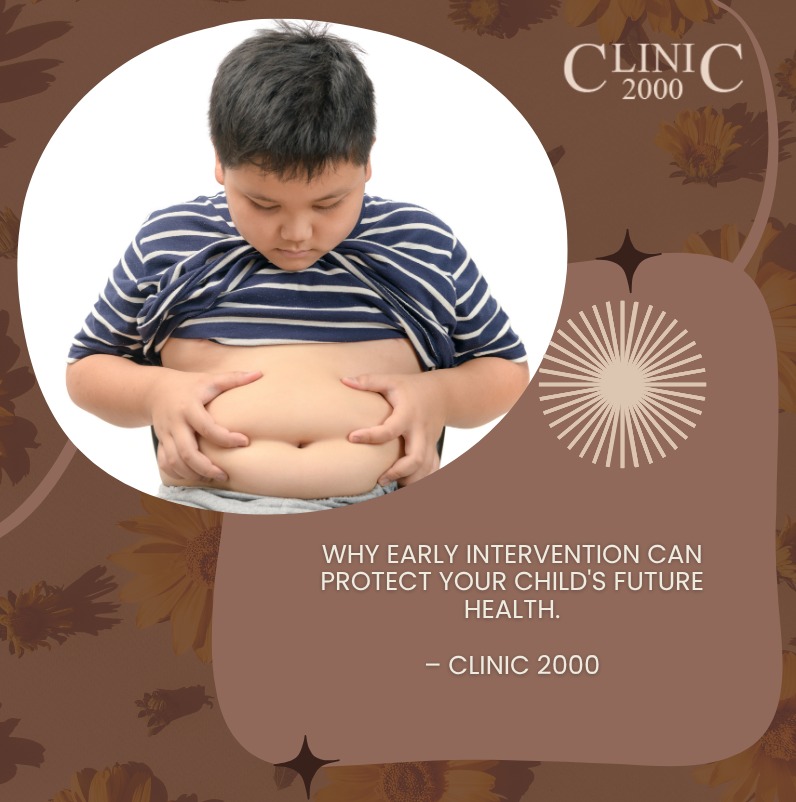
India is facing a childhood obesity crisis. According to recent data, approximately 14 to 15 percent of urban Indian children are overweight or obese, and this number is rising rapidly. In cities like Hyderabad, where sedentary lifestyles, processed food consumption, and academic pressure have become defining features of many children’s lives, the numbers are particularly concerning.
Childhood obesity is not a cosmetic issue. It is a serious medical condition that carries immediate health consequences and dramatically increases the risk of chronic diseases in adulthood. Yet many parents hesitate to seek treatment, unsure of what is normal, concerned about doing harm, or uncertain where to start.
This guide explains what childhood obesity is, why it develops, what health risks it carries, and how Clinic 2000’s paediatric obesity programme approaches treatment safely, compassionately, and effectively.
What Is Childhood Obesity?
Childhood obesity is defined as excess body fat accumulation that negatively affects a child’s health. In clinical practice, it is typically assessed using Body Mass Index (BMI) plotted on age- and sex-specific growth charts. A child is considered overweight if their BMI is at or above the 85th percentile for their age and sex, and obese if at or above the 95th percentile.
However, BMI alone does not tell the complete picture. Body composition analysis, which measures the actual proportion of fat mass to lean mass, provides a more accurate assessment of health risk. At Clinic 2000, every paediatric patient undergoes comprehensive body composition analysis to guide treatment planning.
Why Is Childhood Obesity Rising in India?
The causes of childhood obesity are multifactorial and are driven by changes in both diet and lifestyle across Indian urban environments:
• Excessive consumption of ultra-processed foods, sugary beverages, and fast food
• Reduced physical activity due to increased screen time and academic pressure
• Reduced outdoor play due to urban living conditions and safety concerns
• Disrupted sleep patterns, which impair hunger-regulating hormones
• Increased academic stress, which raises cortisol levels and promotes fat storage
• Genetic predisposition, with obese parents significantly increasing risk
• Hormonal conditions such as hypothyroidism or insulin resistance in children
Health Risks of Untreated Childhood Obesity
The health consequences of childhood obesity are not simply problems for the future. Many manifest during childhood itself and include:
Metabolic Complications
Obese children have a significantly elevated risk of developing insulin resistance and type 2 diabetes, conditions that were historically seen only in middle-aged adults. Non-alcoholic fatty liver disease (NAFLD) is now found in up to 10 percent of obese children, often without symptoms until liver damage is established.
Cardiovascular Risk
Elevated blood pressure, high cholesterol, and early atherosclerosis are increasingly documented in obese children. Studies show that cardiovascular risk factors established in childhood are strongly predictive of heart disease in adulthood.
Orthopaedic Problems
Excess weight places abnormal stress on developing joints and bones. Knee and hip pain, flat feet, and conditions like Blount’s disease (bowing of the legs) are more prevalent in obese children.
Psychological Impact
Overweight children are at significantly higher risk of social stigma, bullying, low self-esteem, depression, and anxiety. The psychological burden of childhood obesity can affect academic performance, social development, and long-term mental health.
Why Regular Diets and Gym Programmes Often Fail Children
Adult weight loss approaches do not work well for children. Calorie restriction without medical supervision can impair a child’s growth, nutritional development, and relationship with food. Intensive exercise programmes without medical clearance can be harmful for children with orthopaedic or cardiovascular complications.
Successful paediatric obesity management requires a child-specific, medically supervised approach that respects the child’s developmental stage, nutritional requirements, psychological wellbeing, and family dynamics.
Clinic 2000’s Paediatric Obesity Programme
As South India’s first dedicated Bariatric and Obesity Treatment Centre, Clinic 2000 has been managing childhood obesity for over 28 years under the leadership of Dr. Ravindranath Reddy. Our paediatric programme is designed to treat obesity as the medical condition it is, not as a discipline failure or cosmetic concern.
Comprehensive Medical Assessment
Every child begins with a thorough medical evaluation including physical examination, BMI and body composition analysis, and relevant laboratory investigations to assess for metabolic, hormonal, and nutritional issues. We screen for thyroid dysfunction, insulin resistance, vitamin D and B12 deficiency, and other common contributors to weight gain in children.
Personalized, Child-Friendly Nutrition Planning
Our registered dietitian creates a meal plan that meets all the child’s nutritional requirements for growth and development while achieving a gentle caloric deficit. Plans are practical, family-friendly, and designed to improve the child’s relationship with food rather than create anxiety or restriction.
Behavioural Therapy
Our behavioural therapist works with both the child and the family to address emotional eating patterns, improve lifestyle habits, manage stress, and build sustainable healthy behaviours. Family involvement is essential to success, as a child’s eating and activity habits are heavily shaped by the home environment.
Hormonal and Metabolic Management
Where hormonal or metabolic contributors are identified (such as hypothyroidism or insulin resistance), these are treated medically in coordination with our endocrinologist. Addressing root causes is fundamental to achieving and maintaining results.
Regular Monitoring and Support
Progress is monitored at every visit with weight, body composition, and relevant clinical measurements. The programme is adjusted as needed to ensure safe, appropriate weight management that does not compromise the child’s growth or wellbeing.
What Parents Should Know
• Early intervention is critical; obesity becomes increasingly difficult to reverse as children age
• Never put a child on a severe restrictive diet without medical supervision
• Avoid shame-based approaches; focus on health and energy rather than appearance or weight
• The entire family benefits from healthier eating and activity habits adopted for a child’s programme
• Screen time limits, regular outdoor activity, and good sleep hygiene are as important as food choices
Conclusion
Childhood obesity is one of the most serious public health challenges facing India today. It is not simply a phase that children grow out of. Without appropriate medical intervention, overweight children are highly likely to become overweight adults with significant health consequences.
At Clinic 2000, our dedicated paediatric obesity team provides compassionate, medically rigorous, family-centred care that gives children the best chance at a healthy future. If your child is struggling with weight, do not wait. Book a family consultation with our team in Hyderabad today.
Frequently Asked Questions
Q: At what age can a child start an obesity treatment programme?
Our programme accepts children from 6 years of age. Treatment approach is tailored to the child’s developmental stage, with different protocols for younger children and adolescents.
Q: Is weight loss treatment safe for growing children?
Yes, when conducted under medical supervision. Our programmes focus on healthy fat loss while ensuring adequate nutrition for growth, development, and energy needs.
Q: Do you treat children with hormonal conditions?
Yes. Hormonal evaluation is part of our standard assessment, and conditions such as hypothyroidism or insulin resistance are managed medically as part of the programme.
Q: How long does the programme take?
Most children achieve significant improvement within three to six months of consistent treatment. Long-term healthy habits developed during the programme provide lasting benefit beyond the active treatment period.
Q: Is family counselling included?
Yes. Family counselling and education is a core component of our paediatric programme. Sustainable change for a child requires the entire family to be involved.